STATES SHOULD BUILD TOURISM PARKS : ANIL BHANDARI
Indias tourism industry
STATES SHOULD BUILD TOURISM PARKS : ANIL BHANDARI
Indias tourism industry should start giving the
STATES SHOULD BUILD TOURISM PARKS : ANIL BHANDARI
Indias tourism industry should start giving the
Advertisement

Instafeed.org
By
Avinash Singh |
Bengaluru, Karnataka | Citizen - 18 August 2018
Story Content
STATES SHOULD BUILD TOURISM PARKS : ANIL BHANDARI
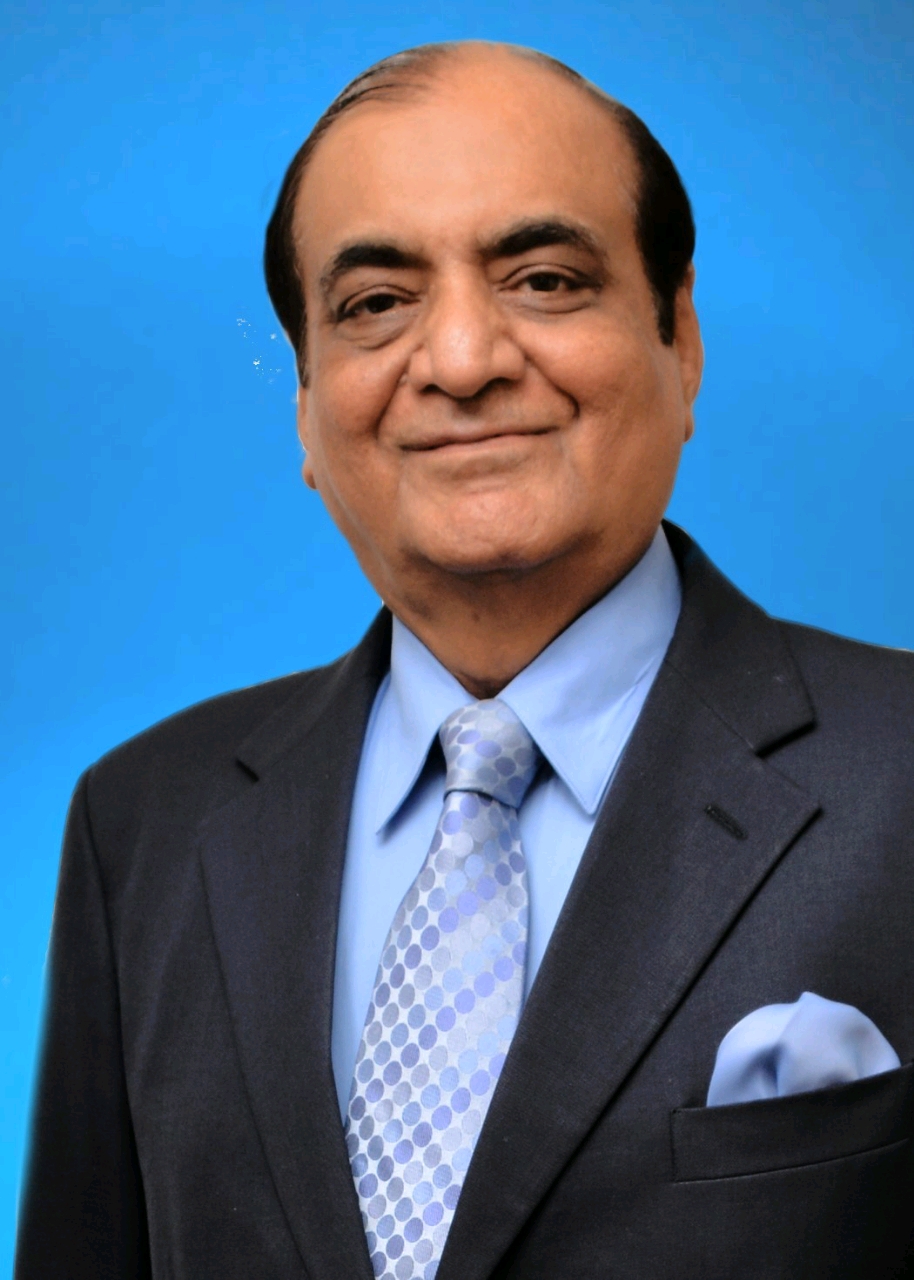
Indias tourism industry should start giving the foreign traveller an ideal visitor experience through Tourism Parks, related infrastructure and attractions matching world standards thereby encouraging tourists to stay for longer durations and leading to extension of the season in India, says Anil Bhandari, Chairman, AB Smart Concepts highlighting the need for promotion of Incredible India!.
International Tourist Arrivals (ITAs) worldwide in 2017 was 1,323 million. Foreign Tourist Arrivals (FTAs) in India for the period was 10.18m compared to Thailands 35.4m and Malaysias 25.9 m FTAs.
Despite India’s 5,000-year-old history, rich heritage, multitude of cultures, exotic destinations, sun, sea and sand, colourful festivals, a host of religions and traditions, our tourist attractions take a backseat in comparison to our neighbours. Of the three India has the biggest land area -- 3.287 million sq km against Thailands 513,120 sq km and Malaysias 329,847 sq km.
What we do not have are sufficient hotel rooms to accommodate a larger number of potential tourists. India has a total of 104,289 rooms in the Government-approved category, 100,000 rooms in the general category and an estimated 100,000 rooms in the unapproved category.
As per 2017 survey Malaysia has 309,369 classified rooms and has announced an additional 25,537 rooms in the 2017-21 phase. In 2014 Thailand had 550,672 rooms in the approved category. In both countries the number of rooms in the unapproved and service apartment category has not been taken into account.
India would need 180,000 additional rooms by 2020 to cater to 20 million tourists as Tourism is expected to grow 12% per annum as per the 12th Five-year Plan. Apart from the estimated accommodation, both in the public and private sectors, other infrastructure to cater to tourist requirements would include: Accessibility through good roads, tourist information and reception centres, public amenities, organized commercial establishments, cultural activities, legible multi-lingual signages, safety and security measures, medical facilities; waste management systems to name a few.
Mr Bhandari suggests that State Governments should create Tourism Parks, commercial and business districts, near places of tourist interests like hill stations and religious locations as these will provide safe and sustainable destinations. Tourism Parks, he says, should come up proper research on the carrying capacity of the place identified so as to work out the number of hotels/rooms and other facilities and allocate land as required. Mr Bhandari has been talking of Tourism parks since since 2007.
The Government of India has made a provision for 20 Tourism Parks with an outlay of Rs. 1,000-cr in the 12th Five-year Plan period. Most States, he laments, have not understood the benefits of Tourism Parks. These integrated hospitality areas would assure tourists of a good visitor experience and maintain long-term environmental sustainability.
Advantages would include availability of accommodation ranging from the deluxe to mid-segment, integrated facilities at one place, besides an ideal visitor experience through hosting of cultural events and festivals, craft centres, food bazaars, live street entertainment and sporting activities.
The Tourism Park would include: All category hotels, convention centres and amphitheatres, food courts and restaurants, shopping centres and malls, handicraft and weaving centres (like) Dilli Haat, amusement parks, yoga & meditation centres, tourism offices and info centres, air, rail road infrastructure, travel agents and tour operators offices, tourist police posts and medical services.
The major reasons for people not investing in hotels is high cost of land, non-availability of approved land for hotels, restrictive building norms/bye-laws and lack of basic infrastructure. There is no land currently earmarked in Master Plans of States for hotels. Land use is converted from commercial to hotel land leading to haphazard development of hotels and impacting the environment.
Gains of creation of Tourism Parks are three fold:
Benefits to States: Higher inflow of investments, increased employment opportunities, easier to regulate environment norms, focused tourism development, sustainable income through leasing and taxes
Benefits to Investors: Lower capital investment, land with all approvals & basic infrastructure, single-window clearance, better environmental controls, fiscal benefits, incentives, tax holiday
Benefits to Tourists: Availability of integrated facilities, better choice to tourists through a basket of services, safety and security, area free from touts and beggars, competitive price value for money, cleaner and regulated environment
A living example of a Tourism Park is Delhi International Airport Authoritys (DIAL) Hospitality District Aero City. There are 5,000 rooms, convention and shopping centres on 45 acres of land in the vicinity of the airport. DIAL earns over Rs. 100 crore per annum as lease money
State Governments can follow DIALs example and utilize the income generated from the Tourism Parks for tourism infrastructural development, product promotion and enhanced publicity campaigns.
You May Also Like:
Advertisement
Comments





Comments
Add a Comment:
No comments available.