


Story Content
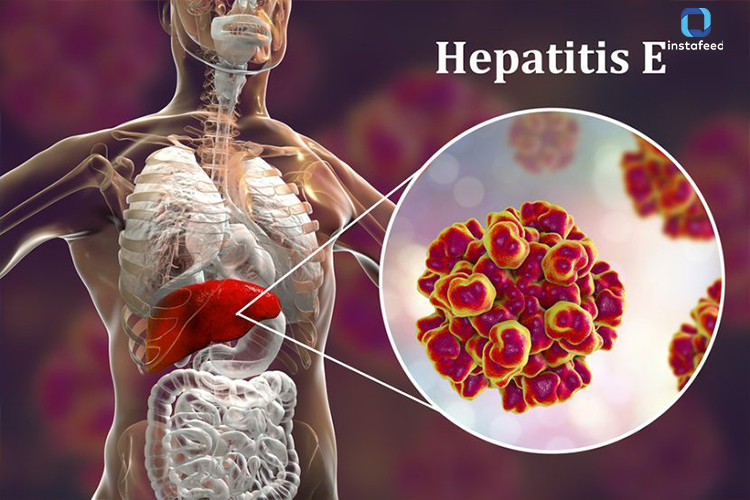
Hepatitis E, a viral infection that leads to liver damage and inflammation, becomes prevalent during the monsoon and poses a serious threat to people of all age groups. As the monsoon brings relief from heat waves, it also brings a host of health problems, including gastrointestinal issues, skin and eye infections, joint pain, cough, cold, and fever. However, the most concerning condition during this season is Hepatitis E, which can adversely affect one's overall well-being.
Transmission and Risks: Preventing Hepatitis E During Monsoon
The Hepatitis E virus primarily gets transmitted through the consumption of contaminated water or food, typically contaminated with feces. During the monsoon, water contamination becomes common in supply lines and storage tanks, leading to an increase in Hepatitis E cases. Despite the potential dangers, it is essential not to panic, as this infection can be controlled and treated effectively with proper medical intervention.
Identifying Symptoms and Seeking Timely Intervention
Dr. Ameet Mandot, Head of Hepatology and Liver ICU at Global Hospital in Mumbai, highlights some of the symptoms of Hepatitis E, such as poor appetite, yellow skin and eyes, fever, joint pain, abdominal pain, vomiting, nausea, and tiredness. This condition is often referred to as a "silent killer" and requires timely medical attention. It is crucial not to delay treatment once symptoms are noticed, and consulting a doctor promptly is of utmost importance.
Preventing Hepatitis E: Adhering to Proper Guidelines and Hygiene Practices
Preventing Hepatitis E involves maintaining proper sanitation and personal hygiene. It is essential to drink clean water and avoid consuming raw food and vegetables like salads and juices. Street vendor food, left open, should be avoided, and pre-cut fruits should be handled with caution. Washing hands thoroughly after using the restroom, before eating or cooking, and after touching any surface is essential in preventing the spread of the infection. Open defecation should be discouraged to prevent water source contamination, and pregnant women or individuals with weak immune systems should take extra precautions. Boiling water before consumption is highly recommended to safeguard against Hepatitis E during the monsoon season.

Comments
Add a Comment:
No comments available.