


Story Content
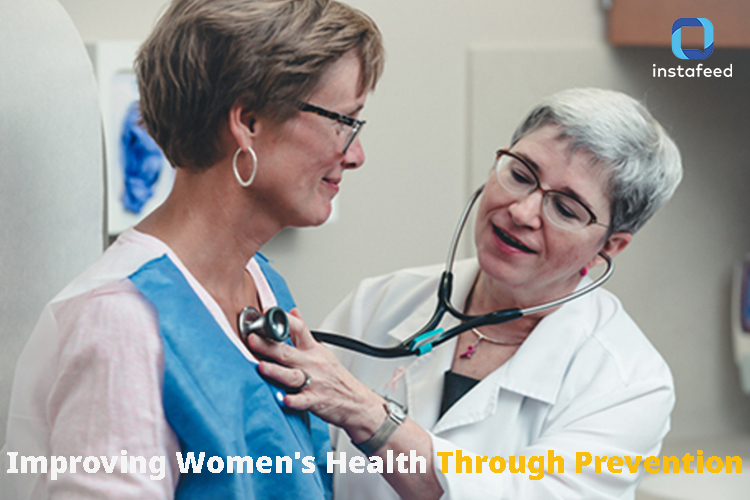
Cancer is a significant global health concern, particularly for women, with breast and cervical cancers being common threats. In addition to breast and cervical cancer, women face risks related to colorectal, endometrial, lung, skin, and ovarian cancers. Cervical cancer, specifically linked to Human Papillomavirus (HPV) infection, poses a crucial threat to women, especially during their reproductive years and even during pregnancy. Dr. Devu Prakash, a respected General Practitioner at Karkinos Healthcare, emphasizes the importance of adopting lifestyle changes, regular screenings, and vaccination to effectively prevent cervical cancer.
Early Detection through Regular Screenings:
Persistent HPV infections can lead to cervical cancer, making regular cervical cancer screenings, such as Pap smears or HPV DNA tests, crucial for early detection. These screenings help identify abnormal cell changes in the cervix, allowing for timely intervention and treatment.
Maintain a Healthy Body Weight:
Maintaining a healthy weight through a nutritious diet significantly decreases the risk of cervical cancer. Obesity is associated with higher HPV infection rates and increased persistence, amplifying the risk of cervical cancer. Adopting a balanced diet supports overall health and reduces the likelihood of developing this life-threatening disease.
Embrace a Nutrient-Rich Diet:
Consuming a diet rich in fruits, vegetables, whole grains, lean proteins, and healthy fats is essential. A diet high in fiber and antioxidants helps reduce inflammation in the body, a critical risk factor for cancer. Conversely, a diet consisting of processed foods, red meat, and high-fat dairy products increases the risk of cancer development.
Avoid Smoking and Limit Alcohol:
Two significant risk factors for various types of cancer, including breast, lung, and liver cancer, are smoking and excessive alcohol consumption. Quitting smoking and moderating alcohol intake can significantly reduce the likelihood of cancer occurrence.
Prioritize HPV Vaccination:
HPV vaccines have proven highly effective in preventing infection and providing protection against the most common types of HPV responsible for causing cervical cancer. Opting for the HPV DNA test is a simple and effective way to safeguard against cervical cancer and should be prioritized, especially for women in their reproductive years.
Conclusion:
Cervical cancer poses a serious threat to women's health, particularly during their reproductive years. By adopting a holistic approach to cancer prevention, including regular screenings, maintaining a healthy body weight through proper nutrition, avoiding smoking and excessive alcohol consumption, and prioritizing HPV vaccination, women can effectively reduce their cancer risks. Dr. Devu Prakash's emphasis on these preventative measures serves as a vital reminder of the importance of proactive healthcare and empowering women to take charge of their well-being.



Comments
Add a Comment:
No comments available.