


Story Content
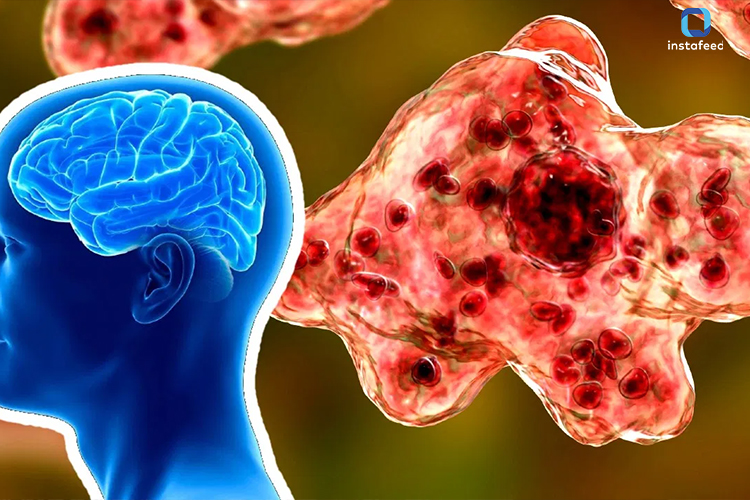
Naegleria fowleri, commonly known as the brain-eating amoeba, is a dangerous species discovered in 1965. This microscopic organism poses a serious threat to human health as it can cause a rare but deadly infection in the brain, known as primary amebic meningoencephalitis (PAM). The amoeba enters the body through the nose and gradually damages brain tissue, leading to severe and life-threatening symptoms.
Recognizing the Symptoms: A Race Against Time
Early detection of brain-eating amoeba infection is crucial, but its symptoms can be mistaken for other illnesses like meningitis. Some common signs of infection include headache, stiff neck, loss of appetite, seizures, fever, and nausea. As the infection progresses, more severe symptoms like hallucinations, drooping eyelids, blurred vision, and loss of taste may occur. Being aware of these signs and seeking prompt medical attention is essential for a chance at survival.
Heartbreaking Loss: The Story of Woodrow Turner Bundy
Tragically, brain-eating amoeba claimed the life of 2-year-old Woodrow Turner Bundy. His mother, Briana, shared the devastating news via a heartfelt Facebook post. Woodrow's initial flu-like symptoms raised concerns, and he was taken to the hospital, where doctors initially suspected meningitis. Unfortunately, the diagnosis came too late, and the young boy lost his battle with the deadly infection.
Raising Awareness: Preventive Measures and Ongoing Research
While the incidence of brain-eating amoeba infections is rare, awareness is crucial for prevention. Maintaining clean and hygienic surroundings can help reduce the risk of exposure. However, as there is still ongoing research to find a proper treatment for this deadly amoeba, early detection and immediate medical attention remain the best hope for those affected by this devastating infection.



Comments
Add a Comment:
No comments available.