


Story Content
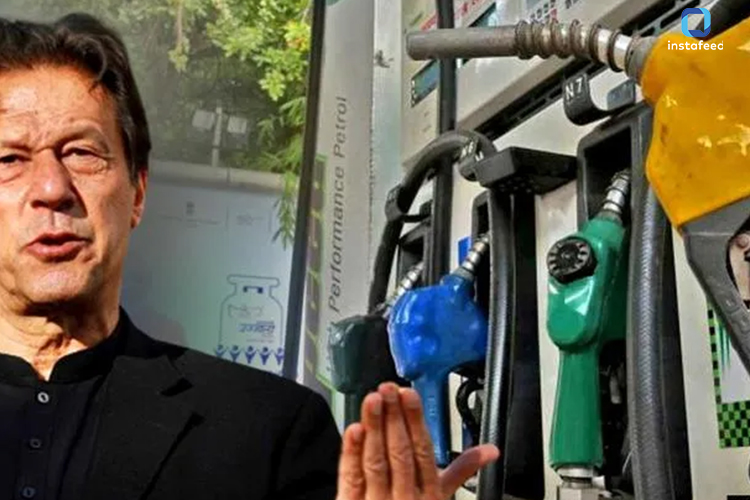
Pakistan made a significant announcement on Tuesday, raising petrol and diesel prices as part of its commitment to the International Monetary Fund (IMF) deal, which aims to meet fiscal objectives but adds to the country's sky-high inflation. The Consumer Price Index surged to 28.3% in July, year-on-year, with a 3.5% increase from the previous month. While this marks a slight decline from the record 38% in May, it remains a matter of concern for the nation.
Consumer Price Index Reaches 28.3% in July, Adding to Inflation Woes
In a recorded video statement, Finance Minister Ishaq Dar disclosed the hike in gasoline and diesel prices. Petrol prices were raised by 19.95 Pakistani rupees to 272.95 Pakistani rupees per litre, and diesel prices increased by 19.90 rupees to 273.40 rupees per litre, resulting in a 7.8% increase for both fuels. Global fuel prices played a role in the decision, as benchmark Brent crude oil prices rose by 16% in July.
Petroleum Price Hike and Global Factors Contribute to Inflation Pressures
The government's hands were tied, as it had to adhere to the IMF's standby agreement, which involved stringent fiscal discipline measures. These commitments included a petroleum levy of up to 50 rupees per litre, along with other painful measures like raising revenues, increasing energy prices, and adopting a market-based exchange rate, all of which have contributed to inflationary pressures.
Central Bank Keeps Policy Rate Steady Despite IMF's Tight Monetary Policy Recommendation
Despite facing pressure from the IMF, Pakistan's central bank has so far kept its policy rate steady at an already high 22%. However, analysts believe that further rate hikes are likely later this year, given the persistent inflationary risks.
Political Implications Loom as General Election Nears in the Face of Economic Challenges
The surge in fuel prices and the soaring inflation could have political implications for Finance Minister Ishaq Dar's coalition government, especially with a general election on the horizon. Imran Khan's party is set to be the main opponent, and the government's handling of the economic situation will be under scrutiny as the election approaches.



Comments
Add a Comment:
No comments available.