


Story Content
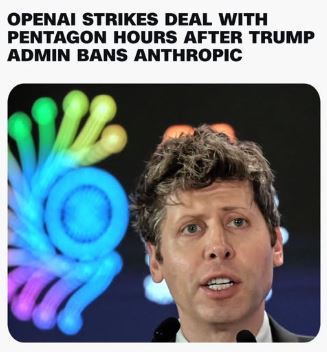
Then, in a twist to the U.S. AI scene, OpenAI told the world late on February 27, 2026, that it had negotiated with the Department of Defense (as President Trump refers to it, the Department of War) to use AI models of its own on its secret networks.
The news was announced by OpenAI CEO Sam Altman on X, and his message stated as follows: "Tonight, we agreed with the Department of War to test their models on their secret network. Within our entire dealings, the DoW was characterized by a profound respect for safety and a mutual desire to cooperate in order to have the best possible end result.
The contract incorporates internal protections that are consistent with the main tenets of OpenAI, including bans on domestic-level mass surveillance and mandates of human accountability in the deployment of force, including autonomous weapon systems. Altman highlighted that these red lines are the reflection of issues that have been earlier brought up by competitor Anthropic.
This announcement came several hours after President Donald Trump directed that all the federal agencies should immediately stop using technology developed by Anthropic, with Defense Secretary Pete Hegseth declaring the firm as a supply chain threat to national security. This effectively blacklisted Anthropic's military and contractor job opportunities because of its refusal to provide the Pentagon with unlimited access to its Claude models for any legal end, especially upon the horror of creating instruments that could allow the spying on the citizens of the United States en masse or completely autonomous weapons.
The readiness of OpenAI to work with such similar ethical restrictions points to the extreme competition among leading AI labs for contracts with God-given opportunities. The Pentagon contract places OpenAI in a position to deliver highly sophisticated AI to the confidential military services and retain all its engagements to the communities on safety.
Anthropic has pledged to appeal the blacklisting within the court, claiming that the status is politically perpetrated. The swift turn of events highlights increasing polarization in the AI sector on military applications and ethical considerations, as well as national security concerns in the present administration.
As the feud unfolds, the action by OpenAI may accelerate its operation in the U.S. defense systems, and it may change the application of frontier AI in classified settings as AI competition in the world continues.



Comments
Add a Comment:
No comments available.