


Story Content
We grab snacks that are labelled as healthy, natural, low-fat, gluten-free, protein-packed, or made using whole grains in the idea that we are making a wise decision. However, many of these so-called healthy choices may be silently sabotaging your health-related objectives, even in respect to blood sugar, inflammatory conditions, gut health, cravings, and body composition.
The following are the most widespread examples of snacks that nutritionists and endocrinologists currently often consider problematic as healthy:
1. Greek yogurt cups (in particular, the ones which are flavoured and have 0 percent of fat)
→ Can easily have 12-18 g of added sugar in a small cup—more than a chocolate bar. The fat removal causes people to become hungrier much faster, and they may also spike insulin.
2. Fitness protein bars and energy bars are sold to the athletic audience.
Many of them are made with maltitol, sorbitol, palm oil, soy protein isolate, and 15-25 g of added sweeteners (even no-added-sugar fizz makes use of sugar alcohols that make sensitive individuals bloat and have diarrhea).
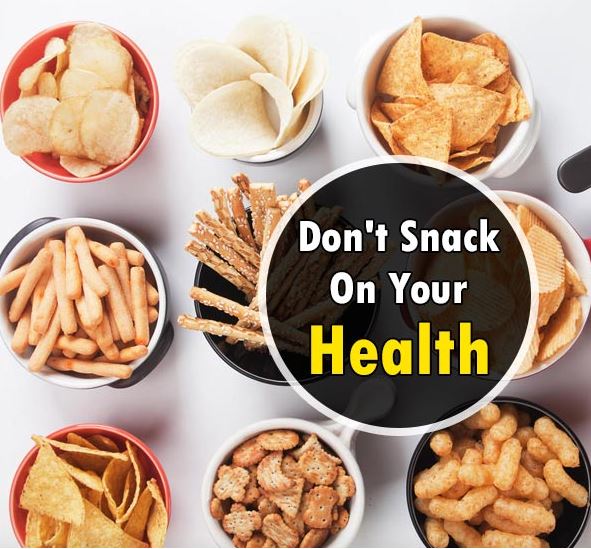
3. Whole-grain/multigrain crackers and baked chips.
→ tends to be prepared using refined vegetable oils (sunflower, canola, soybean) rich in omega-6 linoleic acid → encourages low-grade inflammation in case of its daily intake. The whole grain quantity is usually low.
4. P packets of dried fruits and fruit bars.
→ 4-6 pieces of fresh fruit of a type that is calorie-dense and quickly digested (about 2 minutes to eat). A 40 gm pack of dried mango or dates can provide 25-35 g of sugar, almost containing no fiber buffer.
5. Bottles of green juice/cold-pressed juice.
→ Fiber removed, and therefore 300-500 ml will include 40-70 g of sugar that enters the blood nearly as quickly as a cola. Calories are very simple files to overindulge in.
6. Low-fat/high-fiber healthy granola, muesli, and breakfast cereals.
→ Often include added sugar (10-18 g) and inflammatory oils in 40 g or 50 g servings. The fiber in it is usually found in chicory root extract (inulin) that has the effect of bloating some.
7. Nuts and performances roasted/flavored.
→ The majority of supermarket versions are cooked in refined seed oils and added with sugar, honey, palm oil, or MSG-based flavorings. It is possible that a small number of people can easily put on 200300 kcal of low-quality fat quietly.
In place of the quick checklist, nutritionists would now suggest:
- Goal: snacks (= 10 g protein) + some fiber + healthy fat.
- Have less than 10.15 g net carbs when the aim is fat loss or normal blood sugar levels.
- Eat more whole foods: boiled egg and cucumber, unsweetened Greek yogurt and handful of berries, paneer tikka, roast chickpeas, Avocado on seed crackers, a handful of almonds and 1 square of dark chocolate ≥ 85%
- Look at the first 3 ingredients—in case you see sugar (in any form), maltodextrin, glucose syrup, refined oil, or natural flavor so high on the list, rethink it.
The moral of the story: the label "healthy" is not healthy. A snack is not just good when it is made out of elements that are good in supporting your metabolic health, keeps you satisfied for 3-4 hours, and does not make you crave or suffer the impact of energy crashes 60-90 minutes following consumption.
Waste no time; the time will be paid back a thousand times in your next blood report and waist measurement.



Comments
Add a Comment:
No comments available.