


Story Content
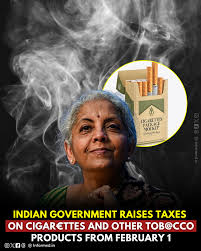
On February 1, 2026, the government presented the budget for 2026-27 and came up with one of the most major overhauls in tobacco taxation in some time. With the purpose of ensuring the prioritization of health safety and the prevention of consumption of harmful products, the budget transformed the taxes on cigarettes, pan masala, gutkha, chewing tobacco, and other tobacco products, determining them as sin goods and more expensive levies.
The highlighter is the increase of GST on the majority of tobacco goods to 40 percent rather than the earlier 28 percent, initially effective on February 1, 2026. This takes the place of the previous system of 28 percent GST and compensation cess. At the same time, the government has increased the amount of excise collected on cigarettes depending on their length and type: short non-filter cigarettes (65 mm or less) are now taxed with an extra charge of 2.05:1 per stick, short filter cigarettes 2.10, medium-length (65-70 mm) about 3.6 to 4, and longer high-end cigarettes up to 5.4-5.5 per wood. On unmanufactured tobacco, as well as on some types, there are excise rates of 18-25 percent to higher ad valorem or specific rates, whereas chewing tobacco and jarda saw the National Calamity Contingent Duty (NCCD) raised to 60% (previously 25 percent), but areas are subject to effective reliefs on immediate shocks. The pan masala and other related items are further taxed by a new Health and National Security Cess.
The logic behind this is simple; tobacco consumption is an overall key issue in the Indian context, and every year it kills millions of people due to cancer, respiratory, and cardiovascular complications. The government attempts to deter the use of these products by making them much more expensive, causing the retail prices to increase by 20-40 percent. or even higher (such as the premium packs, 350 Classic Connect going up by 350), as these goods have become much pricier in order to discourage consumption, particularly among the youth and low-income earners. Authorities believe this helps bring India closer to WHO demands (75 percent tax incidence on retail price) and reinvests more revenue towards community health, infrastructure, and anti-tobacco efforts.
The effect has been spontaneous and stinging. ITC (or Godfrey Phillips) companies that were particularly affected reported drops in stock of 1215 percent after the announcement, with analysts forecasting a further decline in volume and margin pressure as well as the possibility of smuggling. Packs that cost 22 to 55 more than the current price based on brand and category are being charged out by distributors. However, Bidis got some relief as GST became 18 to save small-scale workers in the industry.
Critics mention that the move heavily targets habitual users and would contribute to illicit trade, yet cheers it as a bold gesture of health safety in a country that is fighting against the increasing rate of non-communicable diseases. The budget includes these taxes not only as sources of revenue but also as preventive social health interventions to strengthen the commitment of the government towards attaining a healthier India amidst its long-term economic objectives.



Comments
Add a Comment:
No comments available.