


Story Content
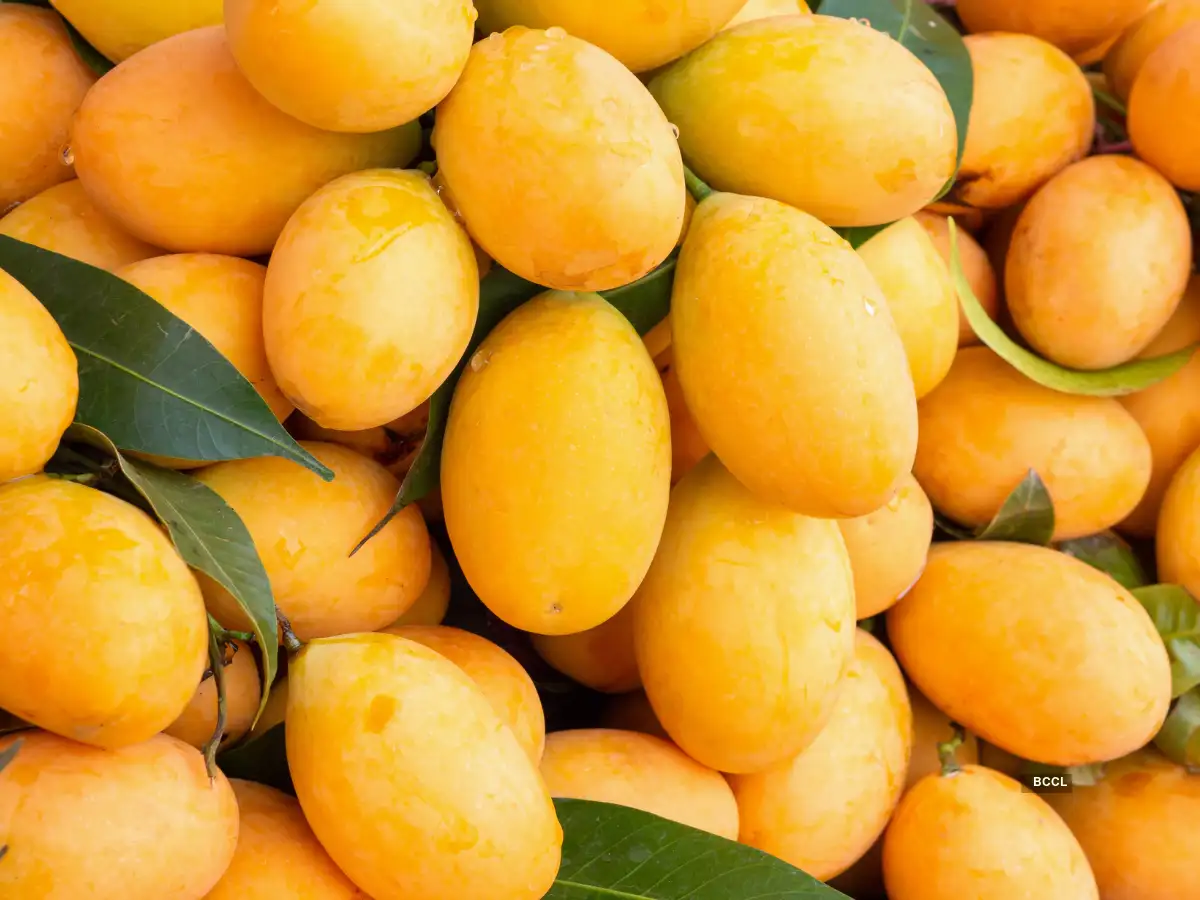
The mango season is in full swing, with most of the vendors employing outlawed calcium carbide to hasten the mango process, consequently creating health hazards such as throat irritation, dizziness, and digestive issues. This is how you can tell that mangoes were artificially ripened using your home:
- Color test: Mangoes, which are naturally ripened, have patchy yellow-green with a natural blush. The unnatural ones look unfairly strikingly yellow or glaucous.
- Smell test: The smell around the stem is a sweet, fruity smell—natural, none, or a chemical odor—artificial ripening.
- Firmness: Press hard. Artificial mangoes are soft on the outside but hard/raw on the inside near the seed.
- Water test: Drop in a bucket of water. Naturally ripened are generally sinking; carbide-treated are generally floating.
- Other: Find white/grey powdery residue or black blotches. Pulp can appear pale, rubbery, or bland when cut.
Always rub mangoes well. Remember to purchase in reliable areas during the season to have safer and tastier fruit. In FSSAI, the controlled ripening can be made only with the help of the ethylene gas in the appropriate chambers.



Comments
Add a Comment:
No comments available.