


Story Content
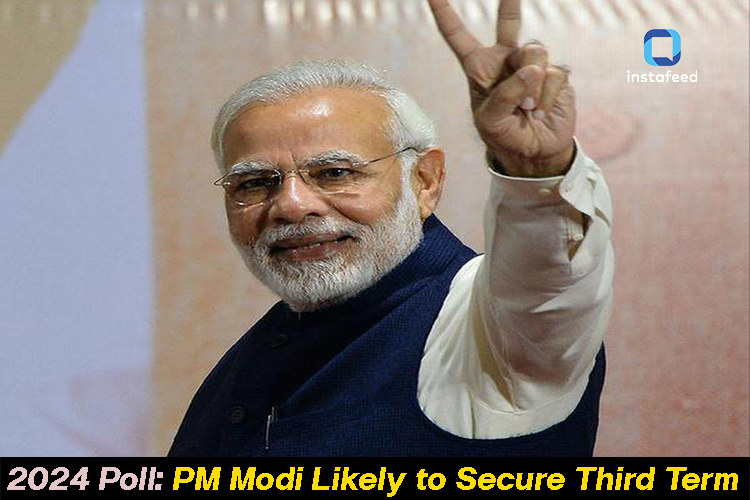
A recent survey conducted by India Today-CVoter Mood of the Nation suggests that Prime Minister Narendra Modi is poised to secure his third consecutive term in 2024, despite the INDIA alliance's efforts. According to the poll, the BJP-led NDA is expected to secure 306 seats with a 43 percent vote share, while the INDIA alliance is projected to obtain 193 seats with a 41 percent vote share. Even though the BJP's majority is likely to diminish from its 2019 count of 303 seats to 287 seats, the party is set to remain in control. In 2019, the NDA had secured a total of 333 seats.
Shifts in Voting Trends and Party Projections
The survey predicts a marginal increase in the BJP's vote share, reaching nearly 39 percent. Meanwhile, the Congress is also expected to see a two percent rise in its vote share, bringing it to 22 percent. However, the Congress-BJP gap remains substantial at nearly 17 percent. Other parties are projected to witness a decrease in their combined vote share from 43 percent to 39 percent. Notably, the Congress is likely to secure 74 seats, marking its highest tally since 2014. The remaining parties are estimated to collectively secure 182 seats.
Regional Dynamics and Electoral Projections
The INDIA alliance is anticipated to make gains in key states such as West Bengal and Bihar. In West Bengal, the alliance is projected to secure 24 seats out of 42, while the NDA is expected to hold onto 18 seats—matching their 2019 performance. In Bihar, the INDIA alliance may capture 26 seats, while the NDA could secure 14 seats. This represents a notable shift from the previous election, where the NDA had won 39 out of 40 seats in Bihar.
Uttar Pradesh's Crucial Role and Public Perceptions
The survey highlights the BJP's potential to replicate its 2014 performance in Uttar Pradesh, securing a substantial 72 out of 80 seats with nearly 49 percent of the vote share. In contrast, the INDIA alliance, inclusive of the Samajwadi Party, is projected to win just 8 seats with a 38 percent vote share. A significant portion of the respondents (54 percent) expressed skepticism about the INDIA alliance's ability to defeat the BJP, while 33 percent held a more optimistic view.
Alliance Dynamics and Leadership Preferences
The opposition alliance, now named INDIA (Indian National Developmental Inclusive Alliance), has garnered attention as it prepares for the upcoming parliamentary elections. The survey indicates that 39 percent of respondents believe that the name change could attract votes for the INDIA alliance, while 30 percent remain unconvinced. From the opposition camp, Rahul Gandhi emerges as the favored choice to lead the INDIA alliance, closely followed by West Bengal Chief Minister Mamata Banerjee and Delhi's Chief Minister Arvind Kejriwal.



Comments
Add a Comment:
No comments available.