


Story Content
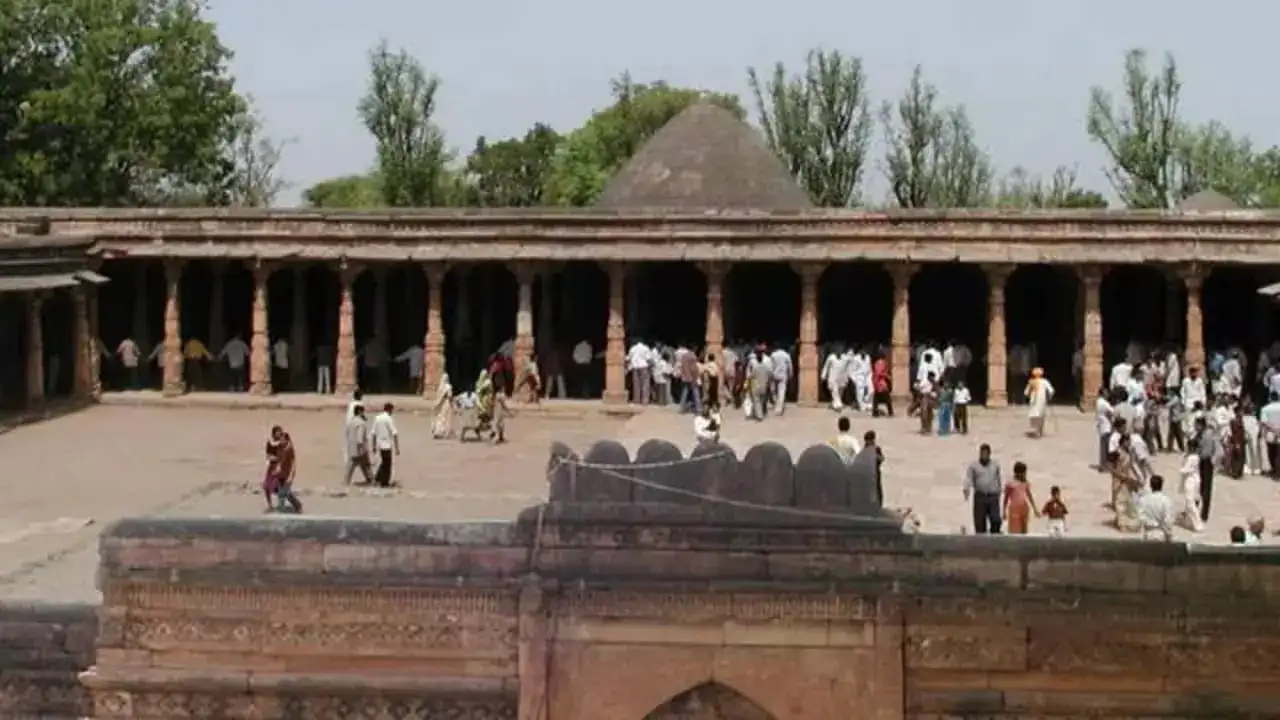
The Madhya Pradesh High Court delivered a major verdict on May 15, 2026, declaring the disputed Bhojshala-Kamal Maula complex in Dhar a temple dedicated to Goddess Vagdevi (Saraswati). The court ruled that the site was historically a center of Sanskrit learning established by Raja Bhoj of the Paramara dynasty in the 11th century.
A division bench quashed the Archaeological Survey of India’s (ASI) 2003 order that had permitted Muslims to offer namaz on Fridays at the site. The court observed the continuity of Hindu worship had never been extinguished and granted exclusive ritual rights to the Hindu side. ASI will continue to maintain overall control of the protected monument.
The bench suggested the Madhya Pradesh government may allot alternative land in Dhar for a mosque. It also recommended efforts to retrieve a Saraswati idol reportedly kept in the British Museum.
Reacting to the judgment, the Muslim side expressed dissatisfaction and announced it would challenge the verdict in the Supreme Court, citing concerns over the ASI survey and historical evidence.
The ruling has evoked strong reactions across political and religious lines, with Hindu groups hailing it as justice while Muslim organizations plan legal recourse. The Bhojshala dispute, spanning decades, once again highlights the complex interplay of history, archaeology, and faith in India.



Comments
Add a Comment:
No comments available.