


Story Content
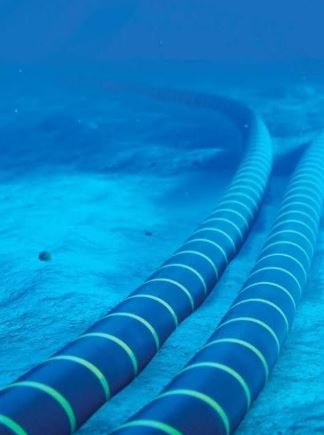
As the US and Iran continue to duke it out in March, 2026, there is panic among people that Iran may cut a fiber-optic cable that goes under the water at the Strait of Hormuz to bring the entire internet down. Some of the largest cables, such as AAE-1, FALCON, Gulf Bridge, and Tata-TGN Gulf, run along or through the narrow strait, transporting considerable traffic of data across and out of Asia, Europe, the Middle East, and further.
Although examples include intentional strikes or unknowing blights, such as those produced by mines, anchors, and strikes, which can cause serious regional latitudes and speed; raise latency; and affect finance, network services, and communications (in particular in Gulf states, India, and some parts of Asia/Europe), the specialists note the resiliency of the entire network. Traffic may divert via the new routes (e.g., Pacific routes, alternate cables), satellite (limited bandwidth), or new bypasses overland.
The growing threat in the Red Sea compound makes things worse, as repairs in the no-go areas would take months. Nonetheless, the closures in a completely globalized enclosure are unlikely; instead, there will be extensive reductions rather than blackouts. Gulf countries are hasty in landing substitutes to minimize susceptibility.



Comments
Add a Comment:
No comments available.