


Story Content
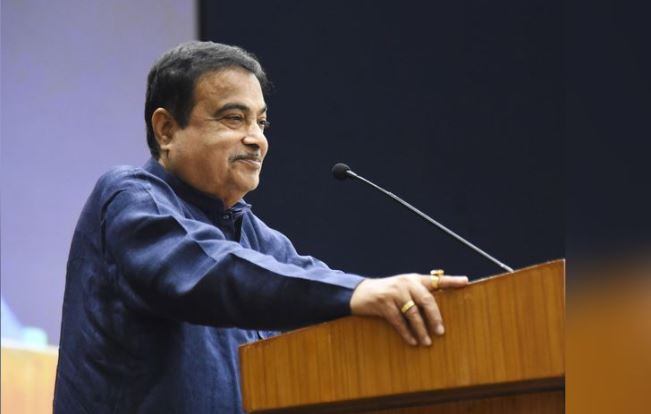
On 24 February, 2026, Nitin Gadkari, the union minister for road transport and highways, once again affirmed the need to actively transition India to other forms of fuel and use emerging technology to successfully solve the escalating air pollution problem in the country. At one of the industry events in New Delhi, Gadkari reiterated that automobile emissions have been the biggest cause of poor air quality in cities, mostly in the largest cities such as Delhi, Mumbai, and Bengaluru.
He stressed that the traditional dependence on the use of petrol and diesel could no longer be maintained. Using India, which has been successful with ethanol blending (reach of 20% and a goal of 30% by 2030), as an example, the minister noted that this has been shown as a cost-effective measure that will help curb carbon emissions and will also help the farmer by increasing the price of sugarcane and grain demand. Other products that Gadkari supported included greater use of green hydrogen in the heavy transportation sector, the use of biofuels such as compressed biogas (CBG), and second-generation ethanol made out of agricultural waste.
Regarding technological aspects, he requested a faster implementation of electric vehicles (EVs) and hybrid technologies and the use of more sophisticated technologies to control emissions, including selective catalytic reduction (SCR) and particulate filters. According to Gadkari, enabling the ecosystem through initiatives of the government, such as subsidies provided by FAME-III, schemes on PLI of batteries, and their mandatory charging infrastructure, is being established.
He said that air pollution was an emergency in the health of the people. "We cannot wait for miracles. Our greatest potential is in alternative fuels and disruptive technologies. He encouraged all automakers and oil firms, as well as state governments, to work at a higher rate towards pilot projects and scale-up.
The comments of the minister are made during consequent devastating episodes of AQI in North India and an increasing demand to comply with the national requirements of air quality in the air. Analysts say his push would lead to vitally reduced levels of PM2.5 and NOx in case it is enacted within a relatively short duration. As predicted, India has approximately 200 million vehicles by 2020; a multi-fuel, high-technology change recommended by Gadkari is not only anticipated to enable cleaner air but also energy security and sustainable movement.



Comments
Add a Comment:
No comments available.