


Story Content
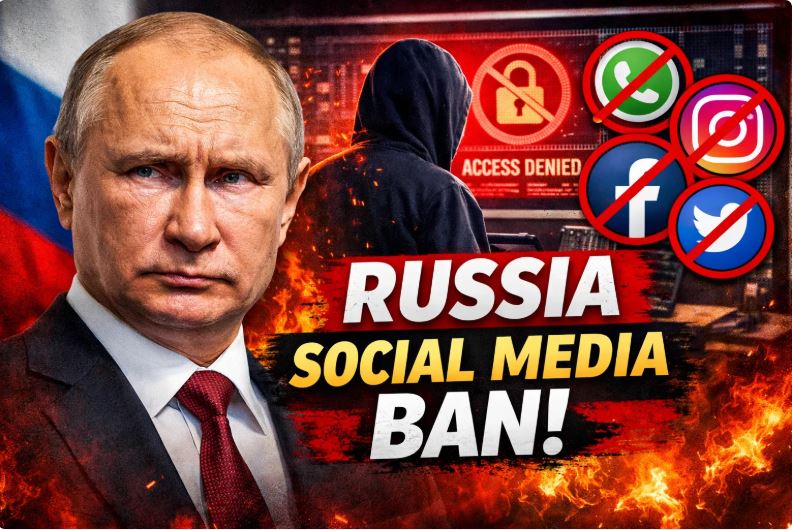
As one of the significant expansions of its internet control activities, Russia has essentially blocked a number of major social media and messaging platforms in the West, as of February 2026. The actions focus on those apps that are owned by Meta including WhatsApp, Instagram, and Facebook, as well as YouTube, which have a debilitating effect on the actual access by millions of Russian citizens, using neither VPNs nor alternative methods of bypass.
On February 12, 2026, the crackdown peaked when the regulator of Russia, the Roskomnadzor blackened the hosts of WhatsApp and YouTube in its national Domain Name System (DNS) system. The technical measure blocks the ability of the devices connected to Russian networks to get the addresses of the sites, which makes them inaccessible without circumvention tools. The move was referred to as an attempt to block the messaging app to its fullest extent by WhatsApp, which is the most popular messaging app in the country (more than 100 million users). WhatsApp explained the action in a reflection of an attempt to push people towards a state-owned app that monitors them (surveillance).
Kremlin spokesman Dmitry Peskov confirmed the block on WhatsApp, saying that it was effected because of the non-cooperation of Meta with the Russian law. Governments have been long demanding that foreign networks be located in the country and deliver user data to security agencies in fraud or terrorism cases- requirements that Meta has declined. Since 2022, when Russia invaded Ukraine, Instagram and Facebook have already been labeled extremist organizations and blocked, only after the use of VPN.
YouTube is no different as it has been reported that heavy throttling and domain blocking are common and video streaming cannot be done reliably or even at all without proxies. The widened crackdown also encompasses throttling of Telegram (the most- popular in Russia) and previous restrictions on voice/video chat based on various messengers.
Replacing by the government is the aggressive promotion of the MAX platform, a state supported national messenger that is created by VK and pre-installed on new devices since 2025. Officials market MAX as a safe and acceptable alternative that can unite government services, payments and so on when critics dub it as an instrument of greater surveillance and control.
Such actions are perceived by rights organizations and technology observers as a push towards Russian self-proclaimed digital sovereignty and the so-called Sovreign internet, in an effort to limit foreign influence, thwart opposition and spy on the communications of its people before forthcoming elections. Although regular Russians are not prosecuted on the activities of accessing prohibited apps, the limitations alienate users to international, encrypted communication and compel to use domestic options.
With the blocks coming fully into action in February 2026, millions of people will experience broken communication and access to news and social relations in their daily lives, which points to even more fragmentation of the global internet.



Comments
Add a Comment:
No comments available.