


Story Content
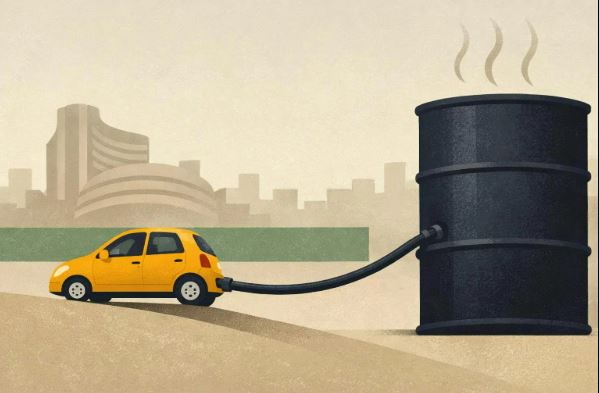
Most Indians who use transportation, walk, and/or do not own a car altogether think they are not that worried by the high prices of oil. Yet the fact is otherwise, and India is protecting almost 85-90 percent of its crude oil; thus, the economy is very vulnerable to world spurts. Diesel prices in trucks, trains, and logistics soar initially when the price of crude oil assures an increase (e.g., to $100+ per barrel in case of the development of geopolitical tensions). They increase the cost of freight, and all these additional costs are transferred to the consumer in terms of increased prices of virtually everything shipped: foodstuffs and grains, dairy products, packaged goods, construction materials, and even online services. This brings rampant inflation—averaging 0.5-0.7% of CPI for each 10 percent rise in oil costs—and a shrinking ability to buy necessities. Farmers will be subjected to more expensive fertilizers and tractors (reliant on diesel), so they may increase food costs even more. The presence of welfare spending through government subsidization would be stretched. Stronger import bills, which indirectly increase the weaker rupee, also strain imported goods as well. To put it briefly, oil shocks are spread over the supply chain and silently slap many budgets of the country, with or without cars.



Comments
Add a Comment:
No comments available.