


Story Content
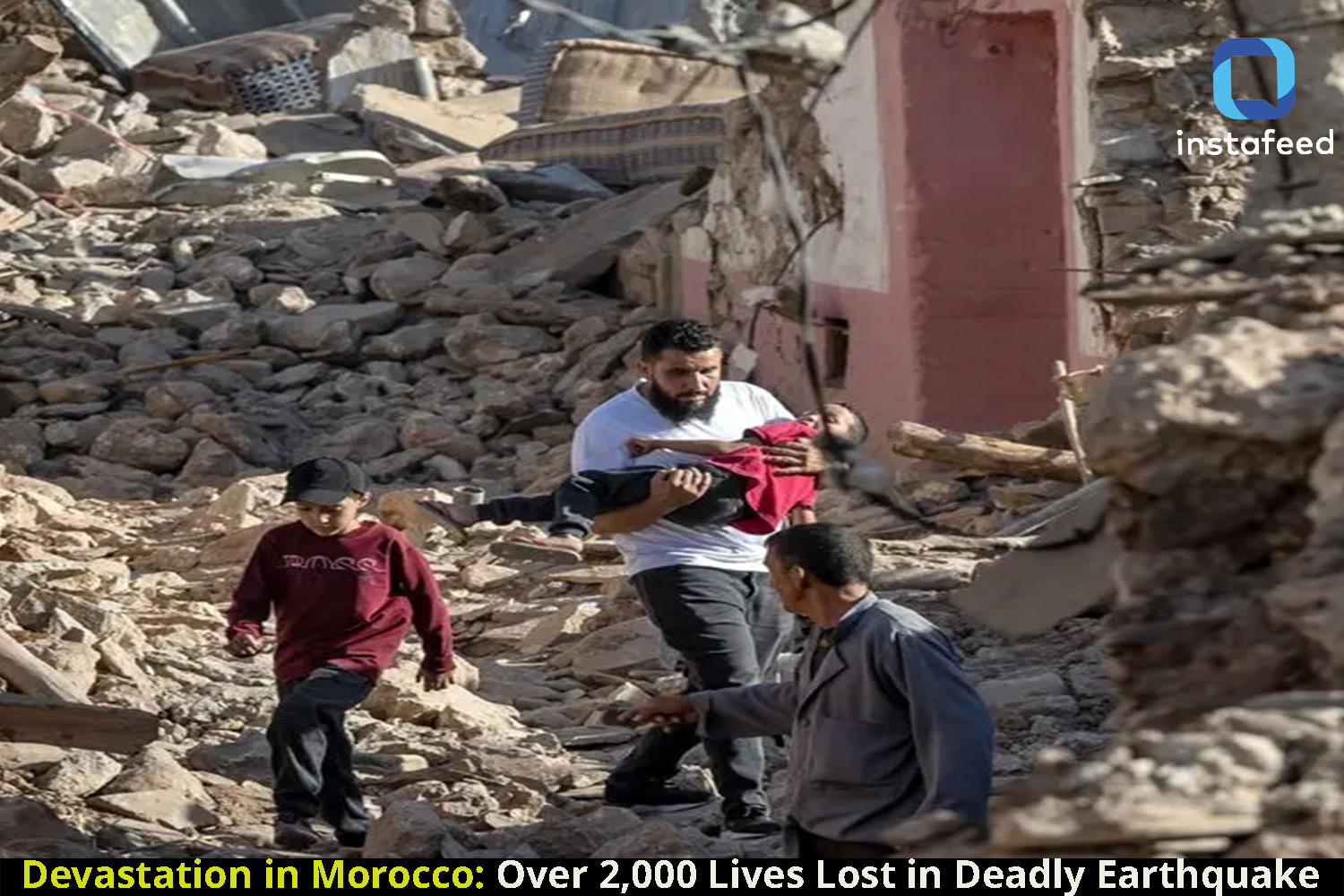
In a devastating turn of events, Morocco experienced its deadliest earthquake in decades, claiming the lives of over 2,000 people, as reported by authorities on a somber Saturday. The earthquake, measuring 6.8 on the Richter scale, struck a mountainous region located 72 kilometers southwest of the popular tourist destination, Marrakesh, at precisely 11:11 pm (2211 GMT) on a fateful Friday night, as indicated by the US Geological Survey.
Widespread Destruction and Humanitarian Crisis
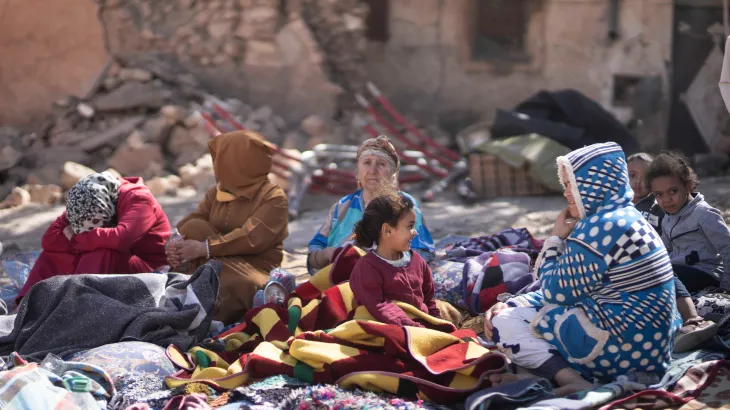
The earthquake left a trail of destruction in its wake, causing extensive damage and triggering panic among both residents and tourists, who found themselves scrambling to safety in the middle of the night. The toll was grim, with at least 2,012 lives lost, and an additional 2,059 individuals injured, including 1,404 in critical condition, according to official reports from the ministry. The shockwaves of this catastrophic event rippled beyond the epicenter, with strong tremors felt in coastal cities such as Rabat, Casablanca, and Essaouira.
Response and Recovery Efforts Underway
In the wake of this tragic earthquake, the Moroccan government swiftly mobilized resources and personnel to respond to the crisis. A field hospital was established in Moulay Brahim, near the epicenter, and substantial human and logistical support were deployed for search and rescue operations in the affected Al-Haouz region. The regional blood transfusion center in Marrakesh called upon residents to donate blood for the injured, highlighting the urgency of the situation.
A Region in Mourning: International Solidarity
As news of the earthquake spread, condolences and offers of assistance poured in from leaders around the world. US President Joe Biden expressed deep sadness over the loss of life and destruction, while China's Xi Jinping conveyed grief and hope for Morocco's recovery. Pope Francis offered his profound solidarity with those affected by the tragedy. Israel, which normalized relations with Morocco in 2020, also extended its support.
A History of Resilience
Tragically, this earthquake joins the annals of seismic events in Morocco's history. In 2004, Al Hoceima in northeastern Morocco suffered a devastating quake that claimed the lives of at least 628 people and left 926 injured. In 1960, Agadir experienced a magnitude 6.7 earthquake that resulted in the tragic loss of more than 12,000 lives. Additionally, neighboring Algeria has not been spared from seismic activity, with the infamous 1980 El Asnam earthquake, measuring 7.3 on the Richter scale, claiming 2,500 lives and rendering hundreds of thousands homeless. These events serve as stark reminders of the region's vulnerability to earthquakes and the need for ongoing preparedness and disaster management efforts.



Comments
Add a Comment:
No comments available.