


Story Content
The U.S. Navy sank nine Iranian naval vessels in one of the most radical naval conflicts in the Persian Gulf since Operation Praying Mantis of 1988, the American Central Command (CENTCOM) announced on March 3, 2026.
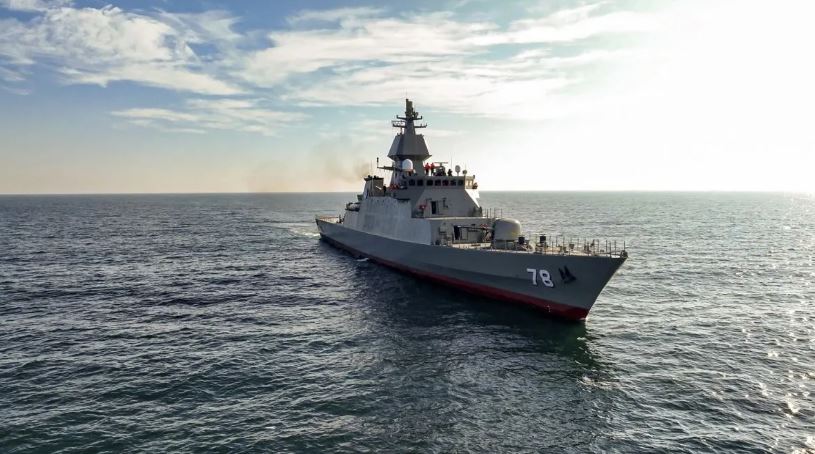
The exercise utilized the involvement of the U.S. 5th Fleet with its base in Bahrain, which consisted of surface warships, carrier-based planes of the USS Abraham Lincoln (CVN-72), and MQ-9 Reapers. CENTCOM ensured the targets were fast-attack craft, missile boats, and at least one corvette in the Islamic Revolutionary Guard Corps Navy (IRGCN).
The attacks were defined as a reactive and relative reaction to what the U.S. officials referred to as imminent dangers to the commercial shipping as well as the U.S. naval forces. In recent weeks, in the Strait of Hormuz and the Gulf of Oman, the merchant ships had been harassed, and unsafe maneuvers had been carried out by Iranian vessels, as well as warning shots had been fired by them in the international sea lanes.
CENTCOM videos also demonstrated that precision-guided munitions hit several Iranian boats, and we could see large explosions and after-fires. No American vessels or aircraft were said to be injured, and U.S. casualties were not immediate.
The state media in Iran (IRNA and Press TV) confirmed the losses as an act of aggression, saying it would exact revenge ruthlessly. According to Tehran, seven of the destroyed ships were small patrolling vessels, and the U.S. had invaded international waters. The IRGC threatened to avenge sometime and any place of our choice.
The conflict comes after several weeks of increasing tensions due to the alleged death of Supreme Leader Ayatollah Ali Khamenei in another airstrike attack, besides Iran threatening to shut down the Strait of Hormuz. Every early morning Asian trading saw oil prices go up over 15 percent due to fear of supply interruptions.
The U.S. is advancing its naval intercession in the area, dispatching extra destroyers and submarines. On his part, President Trump, addressing Mar-a-Lago, said:
we will safeguard freedom of navigation and our forces. They were pushed over the edge by Iran—they had the price.
The reaction across the world has been divided: the Gulf Arab countries quietly welcomed the action, and Russia and China opposed the action as an escalation. An emergency session of the UN Security Council is likely to be held.
This is the bloodiest direct U.S.-Iran naval confrontation since the Tanker War period and increases the possibility of additional response by the remaining Iranian naval capabilities, proxies, and Iranian missiles.



Comments
Add a Comment:
No comments available.