


Story Content
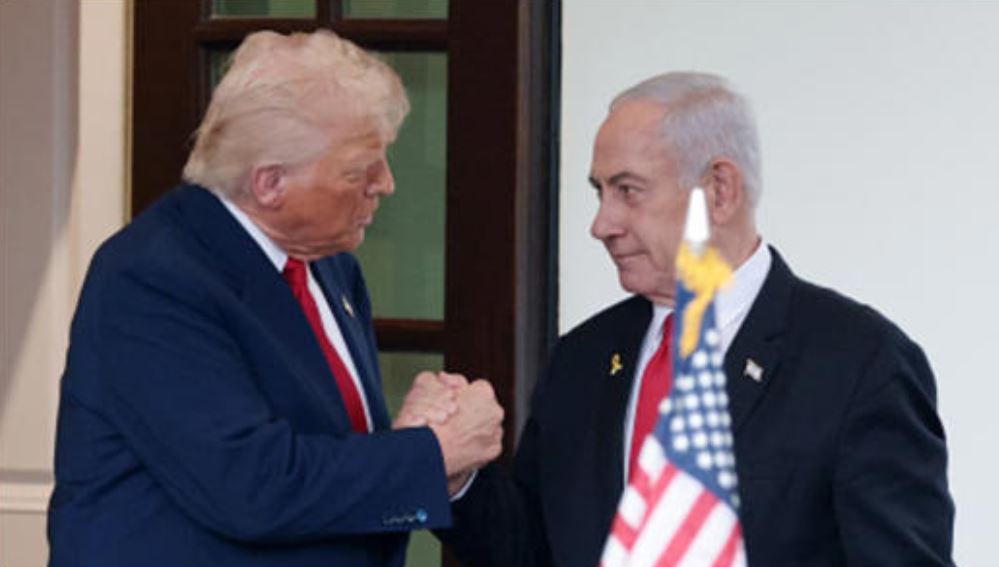
It has been reported that the US President Donald Trump and the Israeli Prime minister Benjamin Netanyahu have agreed to increase the economic pressure on Iran with main focus being on curbing its oil exports to China. That ruling, disclosed in publications on February 14, 2026, was the result of a White House meeting between the two leaders earlier in the week, during which they agreed at a strategy of maximum pressure and undermine the economy and nuclear ambitions of Tehran.
The plan uses a recent executive order signed by Trump, giving them the authority to impose a 25 percent tariff on any country that carries out business with Iran, and this is a direct threat to China, which is its greatest oil client, and buys over 80 percent of its crude oil export. One of the top officials of the US told Axios that they had agreed that they will put full pressure on Iran, say, the sale of Iranian oil to China. Such would seriously increase the economic pressure when Iran, should it succeed, would be forced to offer concessions either on its nuclear weapons or its actions in the region.
Although the strategies are similar, there are differences underlying it all. Trump has been willing to discuss a deal like he has told Netanyahu, "Let’s give it a shot, reportedly". Contrarily, Netanyahu has claimed that no agreement would be made, because it would be futile- something that the analysts see as an attempt to lead to the confrontation through the military, as a way of taking the limelight off internal problems such as annexation of West Bank.
This new alliance revives the Trump policy of maximum pressure of his initial term in office based on his withdrawal of the nuclear agreement of 2015 and the imposition of severe sanctions. Politically, Netanyahu has always supported aggressive interventions against Iran which he perceives to be an existential threat to him.
The decision is made during the increased tension in the Middle East, such as the continuing conflicts in Gaza and the threat of the proxy activities of the Iran state. Analysts fear that attacking oil would backlash, increasing energy prices all over the world or worsening relations between US and China. All leaders remained silent, though publicly, but the deal hinted at a more aggressive US position against Iran during the second Trump administration as of February 16, 2026.
Such a trend may redefine the global oil market and diplomacy where it is probable that China will not allow any outside interference in its energy imports.



Comments
Add a Comment:
No comments available.