


Story Content
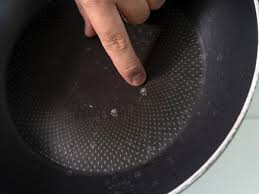
The slightest scratch on a non-stick pan may contain latent health hazards, warns experts. The question of whether a single scratch on a Teflon-coated cookware is enough to release more than 9,000 micro- and nanoparticles—and even millions of microplastics—into food during the cooking process has been answered with research findings, such as a 2022 study by the Global Centre of Environmental Remediation in Australia, which found that one scratch on a surface of Teflon-co
These particles can be PFAS (per- and polyfluoroalkyl substances), which are called the forever chemicals due to the ability to remain in the body and environment. Exposure over a long period has been associated with debilitating complications such as cancer, infertility, liver damage, and developmental complications.
Health and nutrition professionals state that it is necessary to replace any scratched or chipped non-stick pan, in particular, older products available before 2015. Some of the signs that it will need replacement are food beginning to stick or noticed damage to the coating. Better substitutes are made of stainless steel, cast iron, or ceramic cookware, which is safer.
To avoid losses, do not use metal utensils, high heat, or harsh cleaners. Although unbroken modern non-stick pans are typically regarded as being fairly low-risk when properly handled, when scratched, the integrity of the coating is completely destroyed.



Comments
Add a Comment:
No comments available.