


Story Content
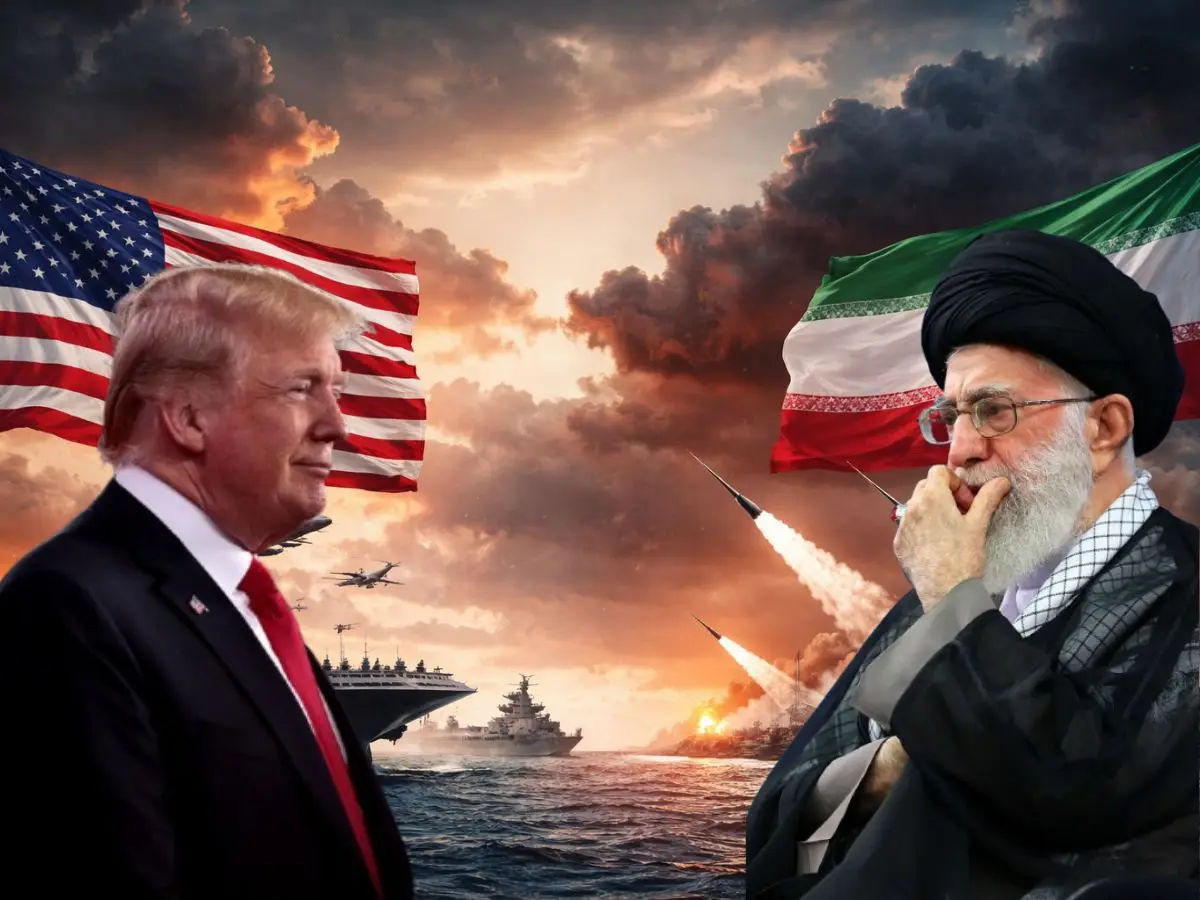
Intensive negotiations between the United States and Iran collapsed in Islamabad, Pakistan, with the head of Iran's delegation Mohammad Bagher Ghalibaf accusing the United States delegation of causing the collapse by making unreasonably demanding demands and failing to win the confidence of the Iranian group.
Iran has proposed some of the basic challenges it claims it needs to be addressed in order to reach a lasting solution:
Nuclear Enrichment Rights: Iran has long denied that it wants nuclear weapons, but it reserves its right to enrich uranium for civilian needs, which Washington is adamantly opposed to but which requires a strong pledge that Iran will never build nuclear weapons and it will also not have the means to do so in a short time.
Strait of Hormuz: Experts are alarmed by the control of the Strait of Hormuz by Iran, and oil prices in the US are soaring past four a gallon. To put pressure to get Tehran to open up the waterway, which is considered essential, the US Navy has been sealing Iranian ports, a move that Tehran deems excessive.
Sanctions & War Reparations: Iranian Foreign Minister Abbas Araghchi declared that the two nations were on the verge of reaching consensus but were faced with maximalism, goalpost changing, and blockade, Iran seeking full sanctions relief and war reparations as a condition to a resolution.
Proxy Groups and Ballistic Missiles: Iranian negotiators are not ready to sign any document to stop financing the affiliated militants in the region, and Tehran also announced that its ballistic missiles were non-negotiable.
According to analysts, the gaps now appear to be insurmountable, and the most reasonable hope would be an extension of the ceasefire as opposed to a full-blown deal. Al Jazeera: The time is running out—and the stakes are great.



Comments
Add a Comment:
No comments available.