


Story Content
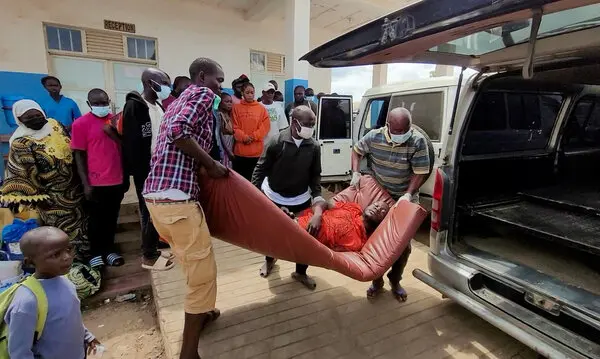
On May 17, 2026, the World Health Organization (WHO) declared the ongoing Ebola outbreak in the Democratic Republic of the Congo (DRC) and Uganda a Public Health Emergency of International Concern (PHEIC).
The occasion coincides with the ninth-ever Ebola outbreak declaration by the WHO and underscores the potentially grave transborder risks and uncertainties regarding the actual scope of this outbreak. There are currently 8 confirmed cases with 246 suspected cases, and there are an estimated 80-88 suspected deaths, predominantly in the Ituri Province of eastern DRC, with spread to Uganda, confirmed with cases in Kampala, as of 16 May.
With no specific treatments or vaccines available for the Bundibugyo virus strain and its spread, alarm points are becoming more serious. Conflict and border crossings and high population mobility have made containment difficult in the region.
This does not constitute a pandemic crisis as with COVID-19; nonetheless, the declaration seeks to spur international funding and monitoring, contact tracing, and deployment of experimental countermeasures, according to WHO Director-General Tedros Adhanom Ghebreyesus. Borders have been discouraged among countries.
Vigilance urged by health experts: Ebola is transmissible via bodily fluids and leads to symptoms such as fever, bleeding, and organ failure. In previous outbreaks of Bundibugyo (25-50% mortality rate), the use of supportive care has improved the survival rates. Public health officials across the world (including the Centers for Disease Control) are deploying rapid response teams.
The development is a major reminder of the importance of enhanced preparedness for emerging infectious diseases in vulnerable areas. Keep up to date on official WHO and government information.



Comments
Add a Comment:
No comments available.